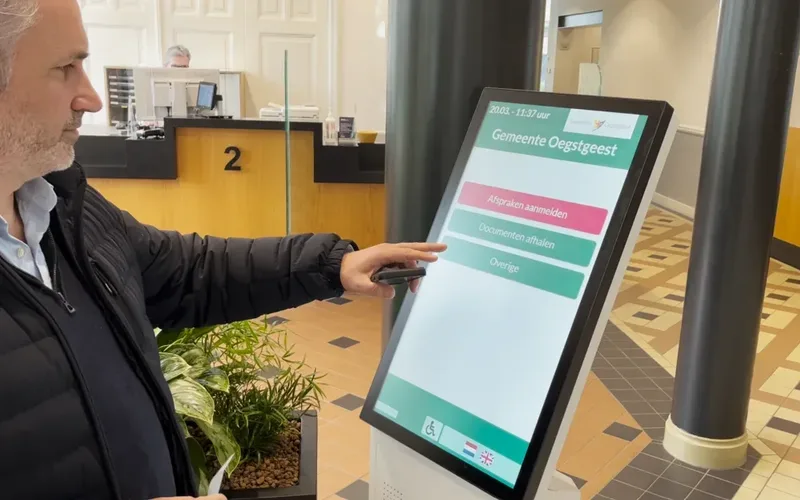
AI in citizen services: cutting waiting times
The fields of application for artificial intelligence are concrete and the benefit is tangible. The precondition is that the AI systems are seamlessly embedded in the customer journey management solution in use.

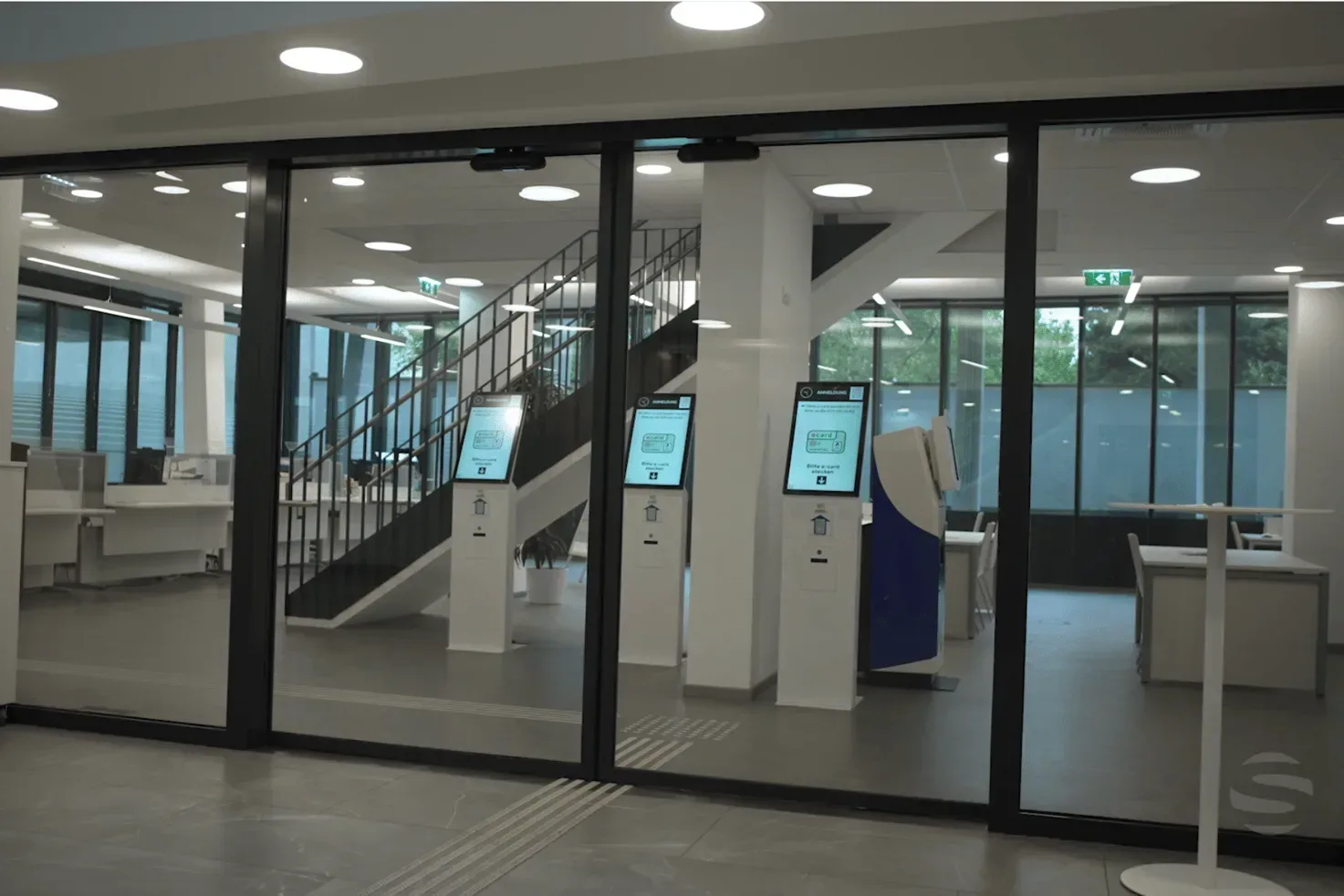
Daily life in German municipal administrations is demanding: citizens expect quick answers, smooth processes and digital availability. At the same time many offices struggle with a shortage of skilled staff, growing workloads and outdated processes. Artificial intelligence can change that situation fundamentally. It automates routine tasks, speeds up processes and lifts citizen service as a whole to a new level. Towns and municipalities benefit above all from a marked relief for their staff and from a better perception of their service. What was once a vision of the future is tangible reality today.
Three central advantages for public administration
AI systems offer public administrations three central advantages. First, a gain in efficiency through automation: many activities in municipal offices are repetitive and time-consuming. Appointment booking in particular ties up valuable staff capacity. AI solutions can automate that process, so employees have more time for more complex work such as giving advice. Second: citizen service around the clock. Fixed opening hours are a real obstacle for many working people. AI-assisted services such as chat or voicebots, by contrast, are available 24 hours a day, seven days a week. Whether an appointment is booked at ten in the evening or on a Sunday morning: citizens receive immediate support, which in turn raises their satisfaction. A third advantage lies in cost savings. AI solutions can take and process appointment requests on their own. That reduces the number of incoming phone calls, which lowers staff costs – with better service quality.
- Gain in efficiency: appointment booking runs automatically, staff gain time for advisory work.
- Service around the clock: chat and voicebots are available 24 hours a day, seven days a week — at ten in the evening too.
- Cost savings: fewer incoming phone calls lower staff costs while service quality improves.
Why integration into the platform is decisive
For municipalities to benefit from those advantages as a whole, the AI systems have to be natively integrated into the customer journey management platform in use. Only then can citizen communication, appointment management and internal processes be connected intelligently. Because development in artificial intelligence is dynamic, municipalities should opt for platforms that can integrate different AI solutions flexibly. Standardised interfaces then allow chat and voicebots to be connected just as readily as existing large language models (LLMs). Municipalities gain a high degree of investment security, since new AI technologies can be brought in at any time without fundamentally reworking existing processes. Without that integration, media breaks would arise and staff would have to transfer appointments by hand, which in turn ties up resources unnecessarily. Chat and voicebots would also be unable to access current appointment capacity.
Appointments automatically in the personal calendar
It is also advisable to mirror appointments automatically into the personal calendars of staff members via an Outlook synchronisation. Clashes are then prevented at booking time and everyone involved keeps an overview of the relevant calendar data. At the same time municipal bodies can deploy scarce staff resources more deliberately, cushion peak times with high demand for appointments and reduce the share of abandoned calls considerably.
What matters in the platform architecture
To be fit for the future, the customer journey management platform should be built on the current .NET 10 architecture and should also run in containers. That gives municipalities full flexibility, since the platform runs on premises or in the cloud. Updates can be applied automatically as well. If the customer journey management solution supports Linux and is based on PostgreSQL as its database, it can also be operated economically on the open-source operating system.
Voicebot: relief on the most-used contact channel
The telephone is still the most-used contact channel between citizens and their municipality. At the same time phone enquiries tie up staff, waiting times build up and many standardised concerns are handled manually more than once.
An AI-assisted voicebot remedies that. For appointment booking it conducts structured voice dialogues, asks what appointment is wanted, checks availability in real time and books appointments around the clock directly in the system. The average call duration is thereby shortened to roughly two minutes. A telephone AI assistant can also take several calls at once. Staff in municipal bodies are noticeably relieved of routine tasks and so have more time for more complex concerns.
Chatbot: booking an appointment in natural language
But not everyone wants to make a phone call. The younger generation in particular prefers written communication. If that happens by e-mail, staff have to be assigned to answer it. It is considerably more elegant and more efficient for municipalities to place an AI-assisted chatbot prominently on their website. Citizens can then book appointments through it in natural language, for instance by writing that they need a new identity card and asking when they can apply for one next week. The chatbot checks the free quotas and proposes concrete appointments within seconds, including the relevant directions. Filling in forms and clicking through a sequence of menus fall away. Appointments can be booked in as little as 30 seconds.
Artificial intelligence for internal administrative processes
Besides citizen communication, artificial intelligence can also support internal administrative processes. Departments can, for example, make changes in their appointment platform automatically through a chatbot dialogue, without needing deep knowledge of the system. If they want to change their opening hours on a particular day, the responsible member of staff states the change in the chat. The AI system then carries out the many administrative steps in a very short time, everywhere they are needed. Above all, municipalities gain a great deal of time and can react flexibly to events.
No cure-all, but a powerful tool
Artificial intelligence is no cure-all, but it is a powerful tool and one more accessible to municipalities today than ever before. The fields of application are concrete and the benefit is tangible: reduced waiting times, relieved staff, better citizen service and smarter planning decisions based on real data. That is what leaves municipalities digital, smart and citizen-friendly. The precondition, however, is that the AI systems are seamlessly embedded in the customer journey management solution in use.
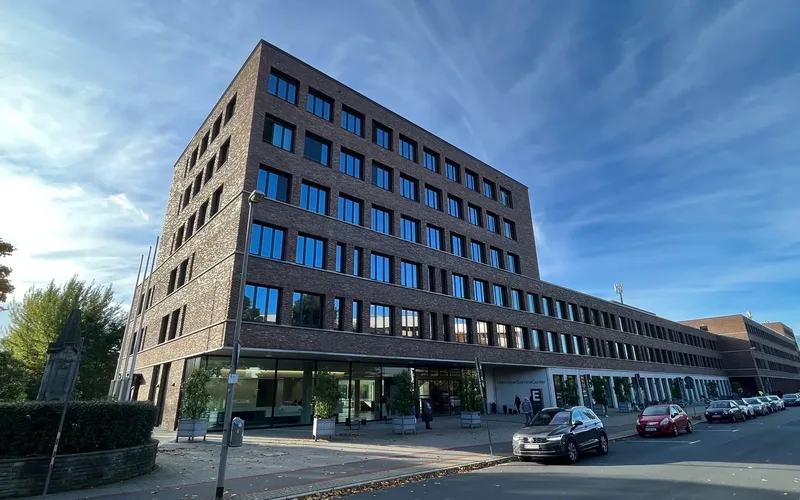 Matching success story Customer Journey Management trifft auf digitale Gebäudenavigation. Stadt Hannover — Read the full reference
 Magdalene Rottstegge supports municipalities and public institutions in introducing customer journey management and AI-assisted appointment booking.
Get in touch